Clean, Organic & Natural Vapes: Do They Exist?
Updated 2026-08-30
No clean, organic, or natural vape exists in any regulated sense. USDA organic certification does not apply to vaping devices, "clean" has no legal definition in this category, and every vape on the market aerosolizes propylene glycol or vegetable glycerin plus flavoring. The closest real product is a zero-nicotine vape with a short, disclosed ingredient list.
Those three words sell a lot of devices anyway, so this guide takes each one apart: what the label implies, what the product actually contains, and what a buyer who cares about ingredients should check instead.
What "Clean Vapes" Actually Means: Nothing Regulated
Search results for clean vapes are full of brands using the word, and none of them can point to a standard behind it. In food, "organic" has a federal rulebook. In vaping, "clean" is decoration. No agency defines it, no lab test certifies it, and two products can both print it while containing completely different liquids.
When a brand says clean, it usually means one of three narrower claims: the liquid omits nicotine, the flavoring list is shorter than average, or the marketing team liked the word. Only the first two are checkable. A useful habit is to translate every appearance of "clean" into a question: clean of what, exactly? If the answer is nicotine, the checkable version of the product is a 0mg device, and our nicotine-free vape explainer covers what that does and does not remove.
Is There an Organic Vape? The USDA Answer
The USDA organic seal applies to agricultural products grown and handled under the National Organic Program standards. Vaping devices are electronics filled with synthesized liquid, and no vape has ever carried the seal. Propylene glycol is petrochemically derived. Vegetable glycerin starts from plant oils, but processing it into e-liquid grade material is industrial chemistry, not farming. Flavor concentrates are manufactured compounds.
A brand can legally say its glycerin was sourced from organically grown soy, and some do. That sourcing claim covers one ingredient's origin, not the finished product, and it changes nothing about what happens when the liquid is heated into aerosol. So the direct answer: organic vapes do not exist, and any listing using the phrase is describing a supply chain detail at best. "Organic vape" makes about as much sense as "organic gasoline."
The "No Chemicals" Problem
A vape with no nicotine or chemicals is a physically impossible product, because everything in a vape is a chemical. Water is a chemical. Vegetable glycerin is a chemical. The strawberry flavor compound is a chemical. When shoppers search that phrase, the real question underneath is reasonable: which vape has the fewest ingredients I might worry about?
That question has an answer. The shortest realistic ingredient list in this category is three items: propylene glycol, vegetable glycerin, and flavoring. A 0mg device from our nicotine-free disposables range hits that floor by dropping the fourth common ingredient, nicotine. Nothing goes lower, because PG and VG are what produce vapor at all, and unflavored device liquid is rare in disposables. Any brand implying it has beaten that three-ingredient floor is either shipping a diffuser rather than a vape, or wordsmithing.
Vapes With No Metal in Them: What the Research Shows
This search comes from a real finding. A Johns Hopkins study published in Environmental Health Perspectives sampled 56 devices and found metals including nickel, chromium, and lead in e-cigarette aerosol, with the heating coil identified as the likely source. The metal is not an added ingredient; it transfers from hardware into the liquid it heats.
Because every vape needs a metal or metal-containing heating element, a vape with literally no metal in it does not exist. What varies is transfer. The study found metal concentrations differed widely between devices, and degraded or overheated coils shed more. Practical translation for buyers: newer devices from manufacturers with consistent quality control are the lower-transfer end of the market, and a disposable that tastes burnt is telling you its coil is past its useful life. Stop puffing a burnt-tasting device rather than powering through it.
Zero-Nicotine Picks With Disclosed Ingredients
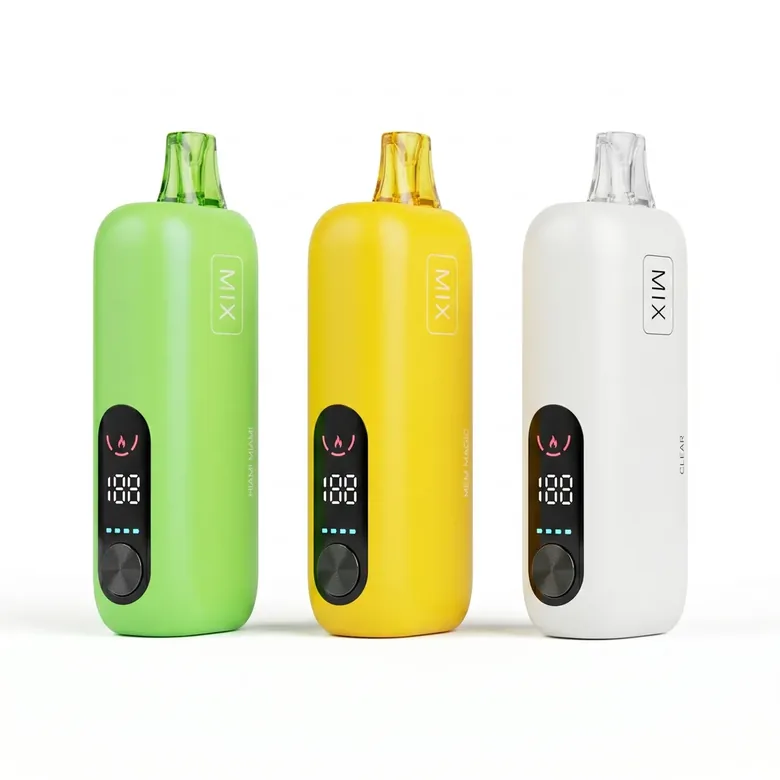
REIGN BAR
REIGN BAR MIX 25K Zero Nicotine
- 25,000 puffs
- 0mg (0%)
- 18mL
In stock: Meloa Mist Red Pulse Spark Fcuking Fab OMG B POP Miami Miami Pure Light
$11.99 View & buy
The Closest Real Thing to a Clean Vape
Strip away the marketing vocabulary, along with adjacent labels like the ones unpacked in our guide to smokeless vapes, and a genuinely minimal vape has three properties: zero nicotine, a disclosed three-ingredient liquid, and hardware from a brand with a track record long enough that its quality control has been tested by the market. That combination is the honest ceiling for this category. It is not clean in any absolute sense, and our safety review of nicotine-free vapes explains what risks remain, but it is the fewest-variables product you can actually buy.
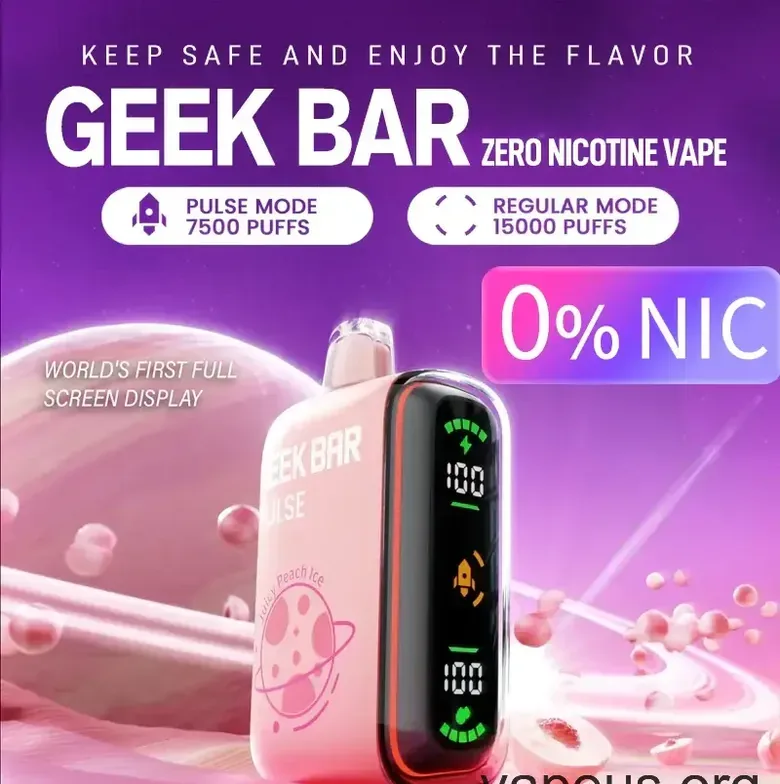
Brand maturity does the quiet work here. Established zero-nicotine lines, like those on our Geek Bar zero-nicotine page, run the same manufacturing as their mainstream nicotine versions, which means the hardware has millions of units of field history behind it. A no-name device with "PURE" printed on it has none.
Buyer Checklist: Six Checks Before You Trust a Label
Run any "clean," "natural," or "organic" vape listing through these checks and the vocabulary stops mattering. The one claim no checklist can settle is authenticity itself, which is why counterfeit vapes and fake 0mg labels get their own guide.
- Nicotine line reads 0mg or 0%. The single biggest ingredient removal available, and the only one with a standard marking.
- Full ingredient list is published. PG, VG, flavoring, nothing mystery. A brand hiding its liquid contents forfeits the benefit of the doubt.
- The brand exists outside this one product. Established manufacturers have recall exposure and reputations; ghost brands have neither.
- No impossible claims on the box. "Chemical-free," "organic certified," or health promises are disqualifying, because a company willing to print those will print anything.
- Fresh stock from an age-verified retailer. Old inventory means older coils and degraded liquid.
- Burnt taste means done. Whatever the label said, a scorched coil ends the device's life.
Clean and organic vape FAQ
Are there any vapes with no metal in them?
No. Every vape uses a metal heating coil, and Johns Hopkins research found trace metals like nickel, chromium, and lead can transfer from coils into aerosol. Transfer levels vary widely by device, so the realistic goal is minimizing it: buy recent production from quality-controlled manufacturers and stop using any device that tastes burnt, since degraded coils shed more metal.
Is there a vape with no nicotine or chemicals?
A no-chemical vape cannot exist, because the vapor itself is made of chemicals: propylene glycol, vegetable glycerin, and flavoring compounds. What does exist is a vape with no nicotine and a minimal three-ingredient liquid, which is the shortest ingredient list the category allows. If a product claims to contain no chemicals at all, that claim alone is a reason to avoid the brand.
Are organic vapes real?
No vape carries USDA organic certification, and the National Organic Program does not cover vaping devices. Some brands source glycerin from organically grown crops, which is a supply-chain detail about one ingredient, not an organic finished product. E-liquid is industrially synthesized regardless of where its feedstock grew, so "organic vape" on a listing is marketing language without a certifying standard behind it.
What is the cleanest vape you can buy?
The closest thing to a clean vape is a zero-nicotine device with a fully disclosed liquid of propylene glycol, vegetable glycerin, and flavoring, made by an established manufacturer. That is the minimum-ingredient floor for the category. "Clean" has no regulated meaning in vaping, so judge products by their ingredient list and the maker's track record rather than by the word on the package.
Are natural vapes safer than regular vapes?
"Natural" is unregulated in vaping and does not predict what is in the liquid, so a natural-labeled vape is not automatically safer than anything. The meaningful safety difference between products comes from nicotine content and hardware quality, not naming. A plainly labeled 0mg device from a reputable brand beats a "natural" device with an undisclosed formula on every checkable measure.