
What the Safest Vape Really Means, and How to Spot a Fake 0mg
Updated 2026-08-30
Counterfeit disposables are one of the least discussed problems in vaping. A fake copies the branding of a device people trust, but nothing behind the label is verified: not the liquid, not the coil, not the battery, and not the nicotine strength printed on the box. For anyone deliberately buying zero nicotine, that last item matters more than any other, because a counterfeit 0mg device is the one product category where the label failing means you get the drug you were trying to avoid.
This guide is about provenance rather than harm ranking. It covers how to check a device is genuine before you inhale it, why a 0mg claim is only as good as the supply chain behind it, and which sources are worth avoiding outright. If your question is instead about which category carries the least risk, that comparison lives in our healthiest vape guide.
Which Vape Is the Safest? What That Question Comes Down To
Start with the honest part: there is no absolutely safe vape, and anyone who tells you otherwise is selling something. Every device heats a liquid you then inhale, and that carries its own considerations no matter what the box says. So the useful version of the question is narrower. If you are going to vape, what actually changes the risk?
Two things do, and they are not the things most people compare. The first is nicotine, which is the addictive component and the reason a habit becomes hard to put down; how the strengths rank against each other is laid out in our harm ladder for the healthiest vape. The second, and the one this page is about, is whether the device is what it claims to be. A genuine 0mg disposable from a traceable brand has a known liquid, a known coil and a known strength. A counterfeit of that same device has none of those, whatever is printed on the front.
That is why the safest vape for your lungs is not a specific model. It is any device where the supply chain is verifiable and the strength on the label is the strength in the tank. Once a fake enters the picture, every other comparison you were making stops meaning anything, because you are no longer holding the product you compared. The rest of this guide is how to tell the difference.
Do Fake Vapes Exist? Yes, and They Copy the Bestsellers
Counterfeiting follows popularity. The disposables that get faked are the ones with the strongest name recognition, because a convincing copy of a well-known device sells itself. Fakes circulate through gas stations, smoke shops with no fixed supplier, marketplace listings, and social-media sellers, and they are frequently good enough that the box passes a glance test.
What a counterfeit actually changes is everything you cannot see. The liquid is mixed by an unknown party to an unknown recipe. The coil and wick may be built to a lower spec, which is how dry hits and scorched-tasting puffs start. The battery and its protection circuitry are the components with the least visible failure mode and the worst consequences when built badly. And the strength on the label is simply a print job; nobody audited it.
There is no reliable way to test any of this at home. That is the core reason provenance is worth more than any inspection trick: the checks below reduce your odds of holding a fake, but the only real protection is buying from a seller who can be identified and held accountable.
Fake 0mg: When a Nicotine-Free Label Is Not Nicotine-Free
Most counterfeit discussion focuses on flavor and puff count. For zero-nicotine buyers the stakes are different and more specific: the entire reason for the purchase is a number on the box, and that number is the easiest thing in the world to print incorrectly.
Two failure modes are worth separating. The first is outright counterfeiting, where a copied device carries a 0mg label because the genuine product line has one, and the liquid inside was never formulated to match. The second is sloppier and more common in gray-market supply: legitimate stock that has been relabeled, repackaged, or mixed across strengths somewhere between the factory and the shelf.
Neither is detectable by taste with any confidence. Nicotine at low concentrations contributes a faint peppery throat sensation that heavy sweeteners and cooling agents mask easily, and expectation does the rest. If you have ever been told you would feel it if there were nicotine in there, treat that as folklore rather than a test.
What does work is narrowing the supply chain. A zero-nicotine device from a manufacturer that runs its 0mg line on the same production and coding system as its standard line, sold by a retailer that identifies itself and its sourcing, is a different risk proposition from an unlabeled disposable bought from a stranger. Every device in our nicotine-free disposable lineup carries explicit 0mg marking from a named manufacturer, and the same logic applies to the low-nicotine collection, where the printed strength is the whole point of the product.
Traceable-brand zero-nicotine picks
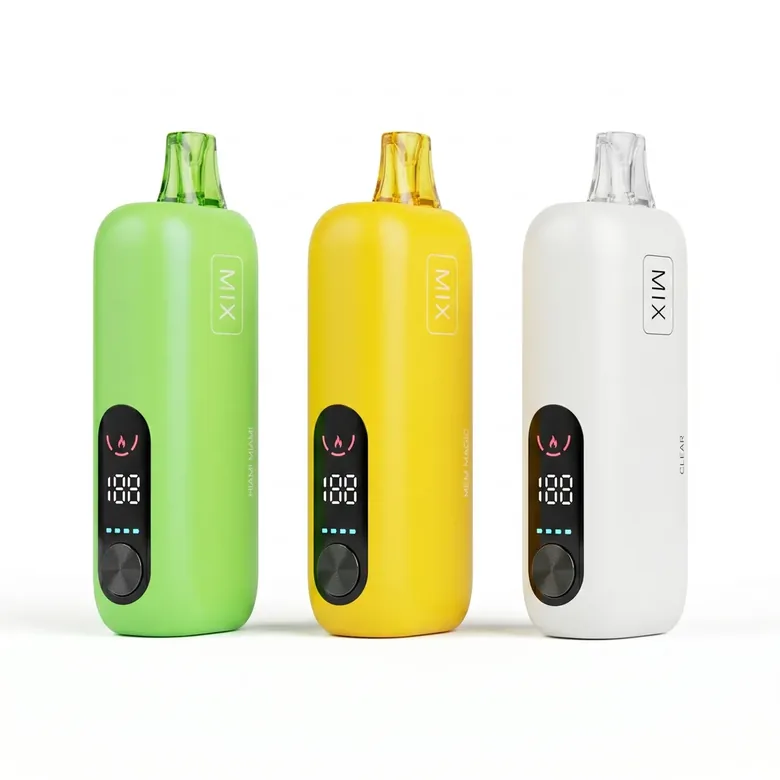
REIGN BAR
REIGN BAR MIX 25K Zero Nicotine
- 25,000 puffs
- 0mg (0%)
- 18mL
In stock: Meloa Mist Red Pulse Spark Fcuking Fab OMG B POP Miami Miami Pure Light
$11.99 View & buy
How to Check a Vape Is Genuine: Codes, Packaging and Sellers
No single check is conclusive. Run several, and treat a failure on any one of them as a reason to stop.
Security codes and manufacturer verification pages
Most major disposable brands print a scratch-off or sealed security code on the box and run a verification page on their own domain where you enter it. A code that has already been redeemed, returns nothing, or sends you to a lookalike domain is the strongest single signal you are holding a fake. Type the brand's address yourself rather than scanning a QR code on the packaging, since a counterfeit box can print a QR pointing anywhere it likes.
Batch and lot codes
Genuine production carries batch or lot markings that tie a unit to a run. Missing codes, codes that are printed rather than laser-etched where the brand uses etching, or identical codes across units bought separately are all worth questioning.
Packaging tells
Counterfeits usually fail on print quality before they fail on shape: fuzzy logo edges, slightly wrong color saturation, thin cardboard, misaligned seams, typos in the warning text, or a shrink wrap that sits loose. Compare against a unit you know is genuine if you have one, because these tells are obvious side by side and easy to miss alone.
Seller channel and price
The most predictive signal is the least technical one. A seller with a fixed identity, a real support address, and a returns process has something to lose. A price meaningfully below every other listing is not a deal; it is the margin a counterfeiter can afford and a legitimate distributor cannot.
The One Category to Avoid Entirely: Black-Market and THC Cartridges
The worst chapter in vaping's history was written by products most buyers thought were ordinary carts. The 2019 to 2020 outbreak of EVALI, lung injury associated with vaping product use, hospitalized thousands of people in the United States. Investigations by the FDA and CDC linked the outbreak primarily to THC-containing cartridges, many obtained from informal sources, with vitamin E acetate used as a cutting agent identified as a chemical of concern.
The lesson is not that vaping nicotine liquids caused EVALI, because the evidence pointed elsewhere. The lesson is that unregulated supply chains can put literally anything in a cartridge, and your lungs find out before you do. No street-bought cart, no unlabeled THC pen, no social-media disposable belongs anywhere near a buyer who cares what they are inhaling. If a product's origin cannot be traced to a known manufacturer, no verification check above can rescue it.
Where Counterfeits Come From, and How to Shop Around Them
Counterfeits concentrate wherever accountability is thinnest. That means informal resale, marketplace listings from rotating seller names, social-media sellers who take payment through personal transfer apps, and shops that cannot tell you who supplies them. It is rarely about the shop being dishonest; a retailer buying from whoever offers the best wholesale price has no more visibility into the chain than you do.
Shopping around the problem is mostly about reducing the number of hands involved. Buy devices that are part of a manufacturer's published lineup rather than models that exist only in one seller's listings. Prefer retailers who name what they stock and answer questions about it. Keep the packaging until the device is finished, since a security code is worth nothing once it is in the bin. And if a unit tastes scorched, harsh, or peppery when it should not, stop using it rather than finishing it out.
None of this makes vaping safe, and nothing on this page should be read as implying it does. Verifying a device is genuine only guarantees that what you are inhaling is what the manufacturer intended, which is the floor rather than the goal. For where the different categories sit against each other on risk, the healthiest vape guide handles that comparison directly.
Fake and counterfeit vape FAQ
What is the safest vape for lungs?
No vape is safe for your lungs, and no honest answer names a single model. What you can control is variables. A device with a verifiable manufacturer, an intact security code and the printed strength you actually intended to buy has known contents; a counterfeit of that same device has none of that, which makes it the larger risk regardless of which brand it is copying. If your question is really about how nicotine strengths rank against each other, that comparison is in our healthiest vape guide rather than here.
How can you tell if a vape is fake?
Run several checks rather than one. Look for a scratch-off or sealed security code and verify it on the brand's own website, typed in by hand rather than scanned from the box. Check for batch or lot markings, and compare print quality, color, seams and warning text against a unit you know is genuine. Then judge the seller: a fixed identity, a real support address and a returns process matter more than any packaging tell, and a price far below every other listing is a warning rather than a deal.
Can a vape labelled 0mg actually contain nicotine?
It can, and this is the specific risk zero-nicotine buyers face. A counterfeit device carries whatever strength the copied packaging says regardless of what was mixed into it, and gray-market stock can be relabeled or mixed across strengths in transit. You cannot detect low concentrations by taste with any confidence, because sweeteners and cooling agents mask the faint peppery throat sensation nicotine produces. The practical protection is buying 0mg devices from a named manufacturer through a retailer that identifies its sourcing.
Is there a way to test a vape for nicotine at home?
No. There is no consumer test that reliably measures nicotine concentration in e-liquid, and taste is not a substitute. Claims that you would feel it if nicotine were present are folklore, not a test, since flavoring and cooling agents cover the throat sensation that low strengths produce. Verification has to happen before the purchase, through the manufacturer's security code and the credibility of the seller, rather than after it.
Which vapes get counterfeited the most?
Counterfeiting follows name recognition, so the most copied devices are the bestselling disposables from brands with the strongest reputations. That is why the presence of a famous name on the box is not itself reassurance. The more recognizable the device, the more worthwhile it is to check the security code and the seller rather than trusting the branding.
What should you never buy, regardless of price?
THC cartridges and any vape from unregulated or informal sources. The EVALI lung injury outbreak of 2019 to 2020 was linked primarily to THC carts cut with vitamin E acetate, mostly from black-market supply chains. Untraceable products of any kind, including unlabeled disposables from social-media sellers or rotating marketplace accounts, belong in the same do-not-buy bucket, and no packaging check makes them acceptable.