Vaping Without Nicotine for Anxiety: Does It Actually Help?
Updated 2026-08-30
Vaping without nicotine for anxiety is not a treatment for anxiety, and no vape should be framed as one. What a zero-nicotine device actually offers is the ritual itself: the hand-to-mouth motion, the slow exhale, and a familiar habit kept intact after the addictive ingredient is removed. Anyone dealing with an anxiety disorder should talk to a licensed professional, not a product.
That distinction matters because the search phrase is popular for an understandable reason. People who vape nicotine often notice their edginess spikes between sessions, and they start looking for a version of the same habit that leaves the stimulant out. This guide walks through what the research says about nicotine and anxious feelings, what a zero-nicotine vape realistically does, and what to check before buying one.
Why People Reach for an Anxiety Vape Without Nicotine
Ask regular vapers why they puff more under stress and the answers rarely mention nicotine at all. They mention the pause. Stepping outside, taking a long draw, watching the vapor: the sequence functions as a built-in break from whatever was piling up. Over months or years, that sequence gets welded to stressful moments, so the hands start reaching for a device before the brain has weighed in.
An anxiety vape without nicotine is really an attempt to keep that pause while dropping the drug. The motion, the throat feel, and the flavor stay. The stimulant does not. For someone who has spent years pairing stress with a puff, keeping the physical routine can feel far more realistic than quitting the routine and the nicotine at the same time. If you are new to the category, our primer on what a nicotine-free vape actually is covers the basics of how these devices differ from standard disposables.
Nicotine and Anxiety: What the Research Actually Shows
Here is the part most marketing skips. Nicotine is a stimulant, and the relaxed feeling smokers and vapers report after a puff is largely the temporary quieting of their own withdrawal. The National Cancer Institute lists anxiety, irritability, and restlessness among the recognized symptoms of nicotine withdrawal, and those symptoms begin within hours of the last dose.
That creates a loop worth understanding. A nicotine user feels tense, puffs, feels briefly settled, then drifts back into withdrawal as blood nicotine falls, which reads to the body as fresh anxiety. The next puff resets the clock. From the inside, nicotine feels like it steadies the nerves. Mechanically, it is producing much of the tension it appears to quiet.
Removing nicotine from the equation removes that specific loop. A zero-nicotine device cannot trigger withdrawal because there is nothing in it to withdraw from. That is a factual statement about what is absent, not a claim that flavored vapor calms anyone down.
What Vaping Without Nicotine Does Not Do
A zero-nicotine vape is a consumer product, not a medical device, and it deserves blunt framing. It does not address the causes of anxiety. It is not a substitute for professional care, medication, exercise, sleep, or any intervention an actual clinician might recommend. If anxious feelings are interfering with your work, sleep, or relationships, the right move is a conversation with a doctor or mental health professional.
It also does not make the act of inhaling risk-free. The liquid still contains propylene glycol, vegetable glycerin, and flavorings, and heating those into an aerosol carries its own open questions, which we cover in detail in our guide to what a healthier vape choice really looks like. Zero nicotine narrows the risk profile. It does not erase it. And if you have never vaped, there is no version of this product worth starting for.
Zero-nicotine disposables that keep the ritual
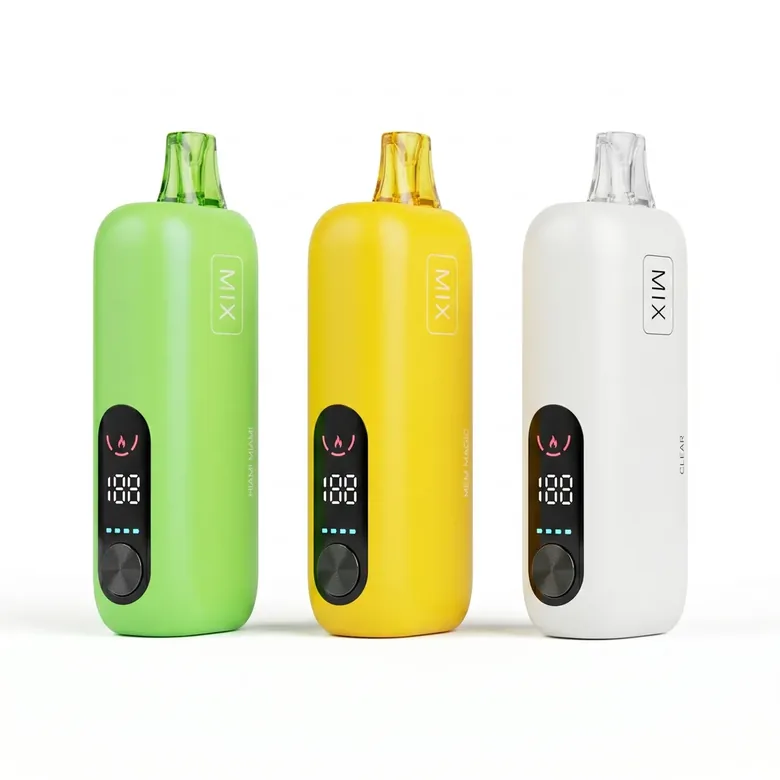
REIGN BAR
REIGN BAR MIX 25K Zero Nicotine
- 25,000 puffs
- 0mg (0%)
- 18mL
In stock: Meloa Mist Red Pulse Spark Fcuking Fab OMG B POP Miami Miami Pure Light
$11.99 View & buy
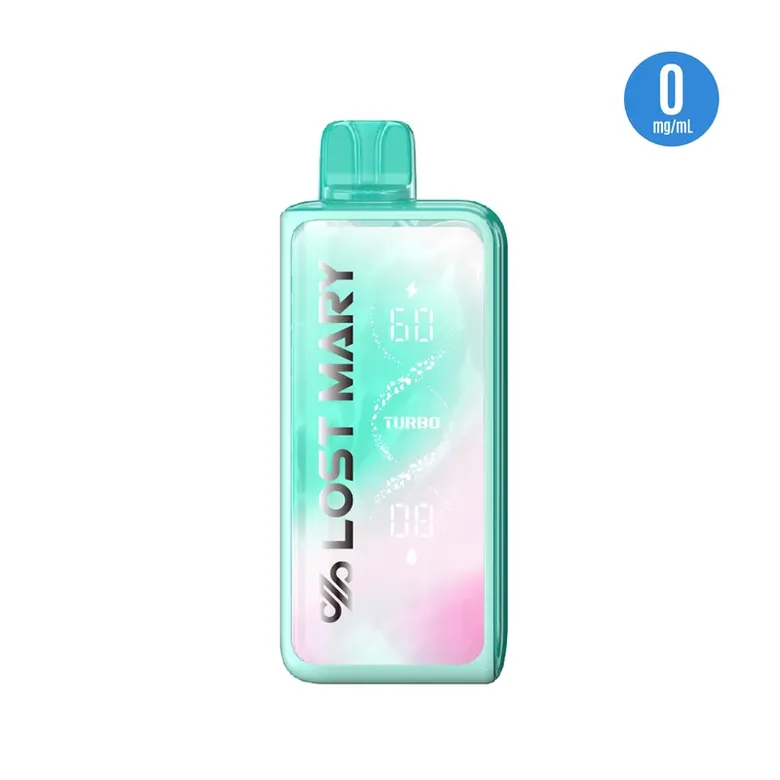
Lost Mary
Lost Mary MT35000 Turbo Zero Nicotine
- 35,000 puffs
- 0mg (0%)
- 20mL
In stock: Baja Splash Blue Razz Ice Watermelon+
$23.99 View & buy
What to Look For If You Choose a Zero Nicotine Device
If you currently vape nicotine and want to keep the ritual without the stimulant, a few checks separate a reasonable purchase from a regrettable one:
- Verified 0mg labeling. The packaging should state 0% or 0mg/mL nicotine explicitly, not just omit a strength number.
- A brand with a nicotine track record. Established names that also sell standard-strength lines tend to run tighter manufacturing than no-name zero-only imports.
- Familiar form factor. If your habit is built around a disposable, a zero-nicotine disposable preserves the muscle memory better than switching hardware styles mid-transition.
- Ingredient disclosure. A published liquid composition beats a mystery blend every time.
You can browse the full range of nicotine-free disposable vapes to compare devices that meet these criteria.
Flavored Air, Oral Fixation, and the Hand-to-Mouth Habit
Two phrases come up constantly in this corner of the market. The first is flavored air, a casual nickname for zero-nicotine vapor, since what you inhale is essentially flavor and aerosolized base liquid with no active drug. The second is oral fixation, the shorthand for how much of a vaping habit lives in the mouth and hands rather than the bloodstream.
Neither term is clinical, but both point at something real. Habits have a physical architecture. The wrist flick, the draw, the exhale you can see: these persist after nicotine is gone, and for many people they are the hardest part to give up. A zero-nicotine device serves exactly that architecture and nothing else. Whether that trade makes sense for you depends on your goals, and for those weighing a gradual step-down instead, the comparison in our low nicotine vs zero nicotine guide lays out both paths side by side.
Nicotine-free vaping and anxiety FAQ
Does vaping without nicotine help with anxiety?
No vape is a treatment for anxiety, and zero-nicotine devices make no such claim. What they offer is the familiar hand-to-mouth ritual without the stimulant. Notably, nicotine withdrawal itself produces anxiety-like symptoms, so removing nicotine removes that specific source of edginess. For actual anxiety concerns, speak with a licensed medical or mental health professional rather than relying on any consumer product.
Why do I want to vape when I am stressed?
For nicotine users, stress cravings are partly withdrawal talking: as blood nicotine drops, restlessness and irritability rise, and a puff temporarily resets the cycle. On top of that, years of pairing stressful moments with the physical routine of vaping builds a strong learned habit. The reach for the device becomes automatic, driven by both the chemical loop and the ingrained hand-to-mouth pattern.
Is there a vape for anxiety without nicotine?
There are zero-nicotine vapes, but no vape made for anxiety, and any product marketed that way deserves skepticism. Legitimate zero-nicotine disposables are sold as flavor devices that preserve the ritual of vaping with 0mg nicotine. People sometimes choose them during stressful periods to keep a familiar habit, which is a lifestyle choice, not a health intervention of any kind.
Can quitting nicotine make anxiety worse at first?
Temporarily, yes. The National Cancer Institute lists anxiety, irritability, and trouble concentrating among common nicotine withdrawal symptoms, typically peaking in the first days after stopping and easing over the following weeks. This is the withdrawal window, not a permanent state. If anxious feelings are severe or persist well beyond that period, that is a signal to involve a healthcare professional.
What is flavored air?
Flavored air is a nickname for zero-nicotine vaping. The aerosol from a 0mg device contains flavoring, propylene glycol, and vegetable glycerin but no nicotine, so users describe it as inhaling flavor rather than a drug. The name is casual, not scientific, and it should not be read as harmless: it is still an inhaled aerosol, just one without the addictive stimulant.