
Flavored Air Vapes & Pens: What They Actually Are
Updated 2026-08-30
"Flavored air" is a marketing name for handheld devices that deliver flavor with zero nicotine. Despite the name, what you inhale from a flavored air pen or flavored air vape is not air. It is vapor: an aerosol produced by heating a flavored liquid, or scented airflow drawn across a flavor core. No nicotine is involved, but the output is a real substance, not empty air.
The label covers a family of products that work in quite different ways, from unheated diffusers to full zero-nicotine disposables. This guide sorts out the device types, explains where the term came from, and lists what to check on the packaging before you spend money on one.
What "Flavored Air" Really Means
Start with the claim on the tin. Air has no taste; if a device delivers flavor to your mouth, something other than air is carrying it. In heated devices, that carrier is an aerosol of propylene glycol, vegetable glycerin, and flavor compounds — the same aerosol base NIDA describes for vaping devices generally. In unheated diffusers, it is flavor molecules evaporating off an infused core into the airstream. Either way, you are inhaling flavoring, and marketing that calls this "just air" is understating what the product does.
That does not make the category dishonest as a whole. Most flavored air devices genuinely contain 0mg of nicotine, and for adults who want the draw and the taste without a stimulant, they occupy the same ground as any nicotine-free disposable vape. The problem is only in the framing. Once you translate "flavored air" to "zero-nicotine vapor or scented airflow," you can compare products on their actual merits: how they generate flavor, how long they last, and what is printed on the ingredient panel.
MedlinePlus and the FDA both classify heated flavor devices as e-cigarette-family products regardless of branding, which is a useful anchor: the regulatory category follows the mechanism, not the marketing name.
Zero-nicotine devices with real flavor output
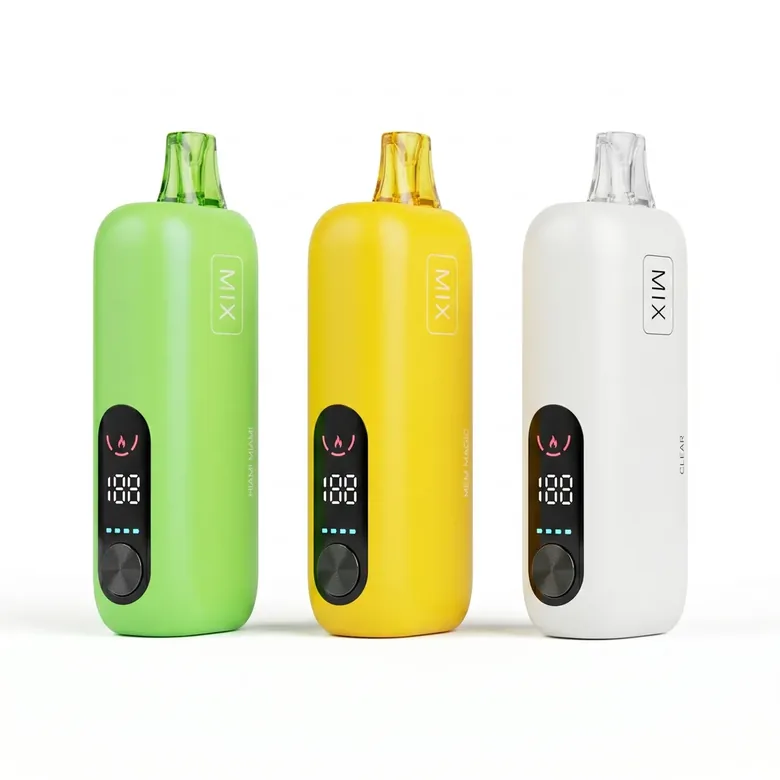
REIGN BAR
REIGN BAR MIX 25K Zero Nicotine
- 25,000 puffs
- 0mg (0%)
- 18mL
In stock: Meloa Mist Red Pulse Spark Fcuking Fab OMG B POP Miami Miami Pure Light
$11.99 View & buy
The Flavored Air Device Family, Compared
Four product types get sold under the flavored air umbrella. They differ mainly in whether anything is heated and whether the unit can be recharged or refilled.
| Device type | What you inhale | Typical size | Rechargeable? |
|---|---|---|---|
| Flavored air pen (heated) | Vapor from heated 0mg e-liquid | Slim pen, pocket size | Sometimes; many are single-use |
| Flavor diffuser (unheated) | Air passing over an infused flavor core | Cigarette-to-cigar size tube | No battery at all; cores are swappable on some models |
| Flavored air inhaler | Scented airflow, menthol or essential-oil style | Small stick, like a classic nasal inhaler | No; replaced when the scent fades |
| Zero-nicotine disposable | Vapor from heated 0mg e-liquid | Compact box or bar | Usually USB-C rechargeable until the liquid runs out |
The unheated options produce faint flavor and no visible exhale, which some people prefer for pure discretion. The heated options behave like conventional vapes: denser flavor, visible vapor, and a battery to manage. If you want flavor intensity comparable to a standard disposable, only the heated devices deliver it.
Why the Term Took Off
The phrase spread through social media advertising in the early 2020s, led by FUM, the brand most associated with it. FUM sells an unheated wooden diffuser with flavored cores and built its pitch around inhaling flavor without smoke, vapor, or nicotine. The framing worked: "flavored air" sounded clean and unthreatening in ad copy, and search interest in flavored air pens and flavored air devices climbed alongside the campaigns. Our FUM flavored air review covers how the diffuser actually performs in daily use.
Other companies then borrowed the language for products that do heat liquid, which is where buyers get misled. A heated "air stick" is a vape by mechanism, whatever the listing says. There is nothing wrong with buying one; zero-nicotine vapes are a legitimate category we cover across this site. But you should know which type you are holding, because the two experiences differ sharply in flavor strength, battery needs, and what shows up when you exhale.
What to Check Before Buying a Flavored Air Device
The category is loosely labeled, so the packaging deserves a closer read than usual:
- The 0mg marking. Confirm the box states "0% nicotine," "0mg," or "nicotine-free" explicitly. A few products marketed with air-style language contain nicotine or caffeine additives. Absence of a strength number is not proof of absence of nicotine.
- The ingredient list. For heated devices, expect propylene glycol, vegetable glycerin, and flavorings. For diffusers and inhalers, expect plant-derived flavor or essential oils. Walk away from any listing that refuses to name ingredients.
- Heated or unheated. A battery, a charging port, or a puff count in the thousands means the device heats liquid and produces vapor. No battery and a modest lifespan measured in days or breaths means a diffuser.
- Additive claims. Some pens advertise vitamins or botanical blends. Inhalation is not a tested delivery route for these ingredients, so read such claims as marketing, and expect no wellness effect from any device in this category.
If you decide a heated zero-nicotine device suits you better than a diffuser, our guide to nicotine-free vape safety lays out what is and is not known about inhaling 0mg vapor, without the sales gloss.
Flavored Air vs. a Standard Zero-Nicotine Vape
For adults already comfortable with vaping hardware, the practical question is whether a purpose-built flavored air pen offers anything a zero-nicotine disposable does not. Usually the answer is no. A 0% disposable from an established vape brand gives you stronger flavor, a rechargeable battery, a clearly printed strength marking, and manufacturing standards developed across millions of nicotine units. The flavored-air-branded pens tend to cost more per day of use and disclose less.
Where the diffuser side of the family earns its place is zero-vapor use. Nothing visible leaves your mouth, there is no battery to charge, and nothing is heated. If that trade of intensity for invisibility appeals to you, a diffuser is the honest pick. If flavor comes first, stay with the vape form factor and just make sure the liquid is 0mg. Either way the age rule is identical: every product in this space is 21+ in the United States.
Flavored air FAQ
Is flavored air just air?
No. Flavor has to be carried by something, so every flavored air device delivers either vapor from heated liquid or flavor molecules evaporating off an infused core. Heated pens produce the same kind of aerosol as a zero-nicotine vape. Unheated diffusers come closest to plain air, but you are still inhaling flavor compounds, which is why ingredient labels matter in this category.
Does flavored air have nicotine in it?
Most flavored air devices contain no nicotine, and reputable brands print 0% or 0mg on the packaging. A handful of products using similar marketing do include nicotine or caffeine, so never assume. Check for an explicit nicotine-free statement and read the ingredient list. If a listing shows no strength marking at all, take that as a reason to buy elsewhere.
Is a flavored air pen the same as a vape?
If the pen has a battery and heats liquid, it is a vape by mechanism, regardless of the branding. The vapor comes from the same propylene glycol and vegetable glycerin base used in 0mg e-liquid. Only unheated diffusers and scent inhalers fall outside the vape definition, because nothing is aerosolized; air simply passes over a flavored core.
How long does a flavored air device last?
It depends on the type. Heated pens and zero-nicotine disposables are rated in puffs and typically run for days to weeks of moderate use, recharging over USB-C until the liquid is gone. Unheated diffusers fade as the flavor core dries out, often within a few weeks of regular draws, and some brands sell replacement cores to extend the body.
Do you need to be 21 to buy flavored air?
For anything vapor-producing, yes. Heated flavored air pens fall under the same federal 21+ rule as every other vaping product in the United States, and responsible retailers age-verify those orders. Unheated scent diffusers sit in a grayer zone legally, but the major brands in the space restrict sales to adults 21 and over anyway.