
Nicotine Free Cigarettes: What They Are, and What Still Burns
Updated 2026-08-30
Nicotine free cigarettes are combustible sticks rolled from herbs, cocoa shells, tea leaves, or other plant material instead of tobacco. They deliver zero nicotine, but they still burn, and burning plant matter produces tar and carbon monoxide regardless of what the plant is. They remove the addictive chemical while keeping the smoke.
That trade is the part most product packaging glosses over. This guide covers what these cigarettes are made of, what combustion does to any plant material, how herbal cigarettes stack up against zero-nicotine vapor, and why many people who search for them are really looking for something else entirely.
What Nicotine Free Cigarettes Are Made Of
Walk through the ingredient lists of the herbal cigarette brands sold in the US and you will see the same rotation of plant material: damiana, mullein, mint, marshmallow leaf, rose petals, cocoa bean shells, and various tea blends. Some products from Asia use dried fruit peel or ginseng. None of it contains tobacco, and none of it contains nicotine.
The format is deliberately familiar. A paper tube, a filter tip, a pack of twenty. The whole product exists so that lighting up, drawing, and exhaling feel exactly like smoking a conventional cigarette. Manufacturers lean on that familiarity in two markets: people trying to move away from tobacco, and film productions that need actors to smoke on camera without dosing them with nicotine all day.
Common formats you will run into:
- Herbal blends, usually mullein or damiana based, sold in smoke shops and online
- Tea cigarettes, rolled from green or black tea leaves, common in imported brands
- Cocoa shell sticks, which produce a sweeter smoke and show up in European brands
- Prop cigarettes, herbal sticks made for stage and screen use
The Problem Is Combustion, Not Just Nicotine
Here is the blunt part. Setting plant material on fire and inhaling the result exposes you to tar and carbon monoxide, full stop. The National Cancer Institute defines herbal cigarettes as harmful for exactly this reason: their smoke carries tar, particulates, and carbon monoxide even though no tobacco is involved. The nicotine is gone. The combustion chemistry is not.
Tar is the sticky residue of incomplete burning, and it coats lung tissue the same way whether the source leaf grew as tobacco or as mint. Carbon monoxide binds to red blood cells and crowds out oxygen no matter what produced it. Federal health research on tobacco consistently separates two distinct harms: the addiction, which comes from nicotine, and the disease burden, which comes overwhelmingly from inhaling smoke. Nicotine free cigarettes eliminate the first and keep the second.
So an herbal cigarette is honestly described as a non-addictive cigarette, not as a harmless one. If your goal in avoiding nicotine is to protect your health, a product that still fills your lungs with combustion byproducts works against that goal. This is the same reason our guide to the healthiest vape options spends so much time on what inhalation methods avoid rather than what they add.
Herbal Cigarette vs Zero-Nic Vape vs Quitting Outright
Three paths remove nicotine from the picture. They are not equivalent, and the differences come down to what each one still puts in your lungs and your clothes.
| Factor | Herbal cigarette | Zero-nic vape | Quitting inhalation entirely |
|---|---|---|---|
| Nicotine | None | None (0mg) | None |
| Combustion | Yes, burns at several hundred degrees | No, heats liquid into aerosol | No |
| Tar and carbon monoxide | Present in the smoke | Not produced (no burning) | None |
| Odor | Strong smoke smell on clothes, hair, car | Faint, dissipates quickly | None |
Quitting inhalation entirely is the only row with nothing in it, and nothing on this site changes that. Between the other two, the dividing line is fire. A vape heats a liquid into an aerosol without burning anything, so the tar and carbon monoxide that define cigarette smoke never form. Zero-nicotine vapor is not risk free, and we lay out what is actually known in our nicotine-free vape safety guide, but it does not share the combustion problem that herbal cigarettes inherit from their format.
The ritual without the smoke: 0mg picks
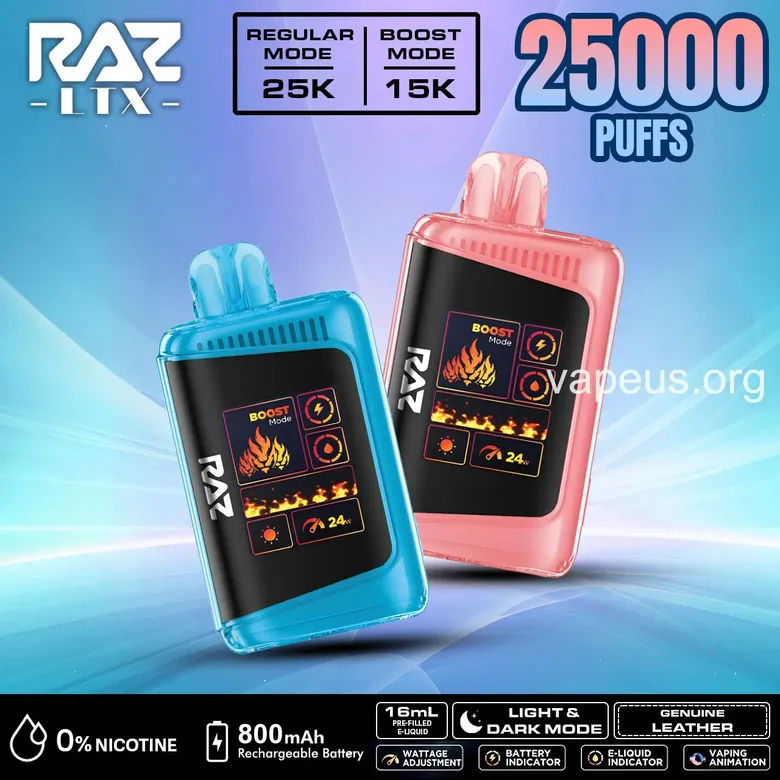
RAZ
RAZ LTX 25000 Zero Nicotine (DC25000)
- 25,000 puffs
- 0mg (0%)
- 16mL
In stock: Bangin Sour Berries New York Mint Razzle Dazzle Strawberry Burst
$23.99 View & buy
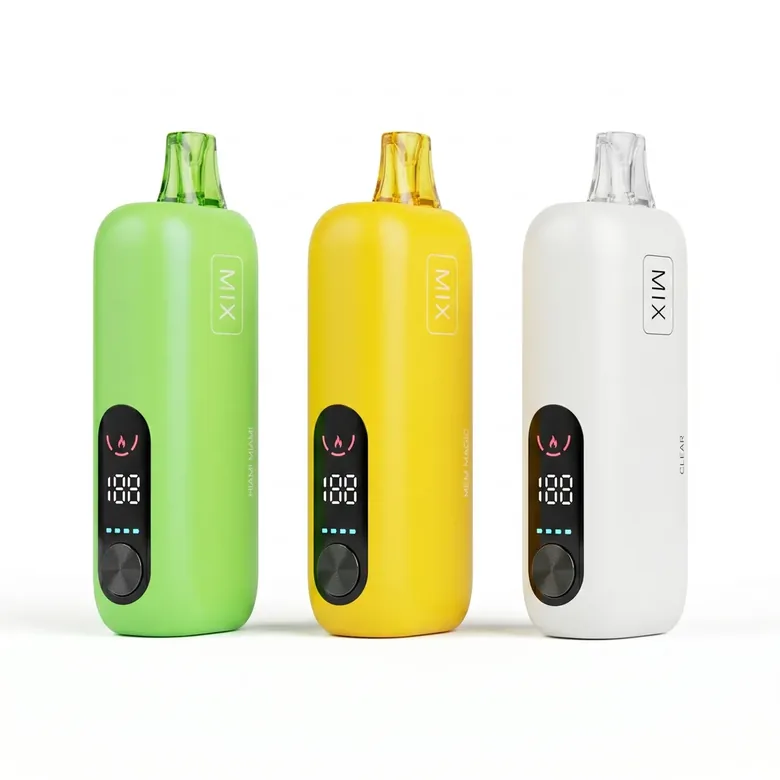
REIGN BAR
REIGN BAR MIX 25K Zero Nicotine
- 25,000 puffs
- 0mg (0%)
- 18mL
In stock: Meloa Mist Red Pulse Spark Fcuking Fab OMG B POP Miami Miami Pure Light
$11.99 View & buy
What Most People Searching This Actually Want
Read the questions people ask around this search and a pattern shows up fast. Very few are curious about mullein or cocoa shells. What they want is the ritual: something to hold, a draw, an exhale, a pause in the day, minus the chemical that kept dragging them back. The cigarette shape was never the point. The hand-to-mouth habit was.
That is worth being honest about, because the ritual does not require fire. A 0mg disposable reproduces the draw and the exhale with flavored vapor instead of smoke. There is no lighter, no ash, no lingering smell, and no nicotine. People who land on herbal cigarettes as a compromise often have not realized that zero-nicotine vapes exist as a category at all, since almost everything on vape shop shelves is built around high-strength nicotine salt.
If that category is new to you, start with what zero nicotine vapes are. The short version: same device formats as regular disposables, same flavor range, and a liquid mixed at 0mg from the start rather than having nicotine removed.
Where to Find Each One
Herbal cigarettes occupy a strange retail niche. A few smoke shops stock one or two brands, some health food stores carry tea cigarettes, and the rest of the market lives on general online marketplaces where quality control and freshness vary a lot. Federal age rules apply: since 2019, US law sets 21 as the minimum age for all tobacco and vapor products, and reputable herbal cigarette sellers hold to the same line even when their sticks contain no tobacco.
Zero-nicotine vapes are easier to pin down, though rarely at a corner store. Gas stations and most vape shops order what turns over fastest, which means 50mg nicotine products. The 0mg versions of mainstream devices, like the zero builds that RAZ and a handful of other brands produce, mostly move through online retailers that specialize in them. Our nicotine-free disposable collection exists because hunting these down one brand at a time gets old quickly.
Whichever direction you go, check the label logic before you buy. An herbal cigarette should list its plant blend outright. A disposable should state 0% or 0mg/mL on the packaging, not just leave the strength off. If the appeal is the cigarette format rather than the leaf, the how many cigarettes in a Breeze Pro breakdown covers the compact 0mg device most often bought for that reason, and our guide to smokeless vapes covers the low-visibility formats in general.
Nicotine free cigarettes FAQ
Do nicotine free cigarettes have tar?
Yes. Tar is a byproduct of burning plant material, not of tobacco specifically. The National Cancer Institute notes that herbal cigarette smoke contains tar, particulates, and carbon monoxide even though the sticks hold no tobacco and no nicotine.
What are herbal cigarettes made from?
Typical blends use damiana, mullein, mint, marshmallow leaf, rose petals, cocoa bean shells, or tea leaves. The plant mix is rolled in cigarette paper with a filter so the product looks and smokes like a conventional cigarette without containing tobacco.
Are nicotine free cigarettes safer than regular cigarettes?
They remove nicotine, so there is no addictive chemical, but the smoke still delivers tar and carbon monoxide because the material burns. Health agencies attribute most smoking-related disease to inhaled smoke rather than to nicotine itself, so the combustion harms remain.
Can you buy nicotine free cigarettes under 21?
No. US federal law sets 21 as the minimum purchase age for tobacco and vapor products, and established retailers apply the same age gate to herbal cigarettes. Everything discussed on this site is for adults 21 and over.
Is a zero-nicotine vape the same thing as an herbal cigarette?
No. An herbal cigarette burns plant material and produces smoke. A zero-nicotine vape heats a 0mg liquid into an aerosol without combustion, so no tar or carbon monoxide is generated. Both contain no nicotine; only one involves fire.