Low Nicotine vs Zero Nicotine: The Full Strength Ladder Explained
Updated 2026-08-30
A low nicotine vape uses e-liquid mixed at roughly 6mg/mL or below, while a zero nicotine vape contains 0mg, meaning no nicotine at all. You cannot make an existing vape less nicotine by diluting it; the practical route to a nicotine less vape is buying the same device family in a lower strength, stepping 50mg to 20mg to 5mg to 3mg to 0mg.
Most vape marketing assumes 50mg salt as the default and everything below it as an afterthought, which makes the lower rungs of the ladder surprisingly hard to research. This guide maps every strength tier, what each one feels like on the draw, and what actually changes when you reach zero. It is the content companion to our low nicotine vapes collection, where the reduced-strength devices themselves live.
The Nicotine Ladder, From 50mg Salt Down to 0mg
Nearly every disposable strength on the US market falls on one of five rungs. The percentages and mg/mL figures describe the same thing two ways, and the feel of each rung differs enough that experienced vapers can usually name the strength blind.
| Strength | As a percent | Typical form | How the draw reads |
|---|---|---|---|
| 50mg/mL | 5% | Nicotine salt | The standard disposable. Smooth despite the high dose, fast head rush, strong hold on habitual users |
| 20mg/mL | 2% | Nicotine salt | The legal ceiling in the UK and EU. Noticeably lighter rush, still clearly delivers nicotine |
| 5mg/mL | 0.5% | Salt or freebase | Mild throat presence, faint nicotine effect, closer to a flavor experience with an edge |
| 3mg/mL | 0.3% | Usually freebase | The classic low nicotine vape juice strength from the refillable era. Very soft, barely-there dose |
| 0mg/mL | 0% | Nicotine-free liquid | Pure flavor and vapor. Gentler throat feel, no rush, nothing pulling you back to the device |
The gap between rungs is not even. Dropping from 50mg to 20mg cuts the dose by more than half, while 3mg to 0mg is a small chemical step that feels like a large behavioral one, because it is the rung where the compound your brain responds to disappears entirely.
How People Use the Ladder to Step Down
Nicotine keeps its grip through a well-documented loop: it triggers dopamine release, the brain adapts by adjusting its receptors, and absence starts to register as discomfort. The National Institute on Drug Abuse describes this dependence cycle in detail, and it explains why quitting a 5% disposable overnight feels so rough. The brain is not missing flavor or vapor. It is missing a scheduled chemical.
The step-down approach works with that reality instead of against it. Someone on 50mg salt moves to a 20mg version of a similar device, rides out the adjustment for a few weeks, then drops to 5mg, then 3mg, then 0mg. Each rung shrinks the dose the brain expects while leaving the hand-to-mouth routine untouched. Splitting the change into two separate problems, chemical first and habit second, is the entire logic.
Two honest caveats belong here. First, no fixed timeline fits everyone; some people sit on a rung for months and that is fine. Second, this is a description of how people commonly use these products, not medical advice, and vapes at any strength are not smoking-cessation therapies. What the ladder offers is granularity: instead of one cliff, five small steps.
What Is the Lowest Nicotine Vape You Can Buy?
Excluding zero entirely, the lowest strengths sold in ready-to-use devices are 2% (20mg/mL) among mainstream disposables and 0.3% (3mg/mL) among freebase liquids for refillable pod systems. A true 1 nicotine vape, meaning 1mg/mL, barely exists as a commercial product; a few bottled e-liquid lines offer 1.5mg or 1mg, but you will almost never find a disposable built at that strength because the market for it is tiny.
That scarcity creates an odd dead zone. Someone who has stepped down to 3mg and wants one more intermediate rung before zero has almost nowhere to go. In practice most people bridge the gap behaviorally instead: they alternate a 3mg device with a 0mg device, letting the zero one absorb more of their puffs over time until the 3mg runs out and simply is not replaced.
The other honest answer to the question is that the lowest nicotine vape is a 0mg vape. It sounds like wordplay, but the entire nicotine-free disposable category is functionally the bottom rung of the ladder, manufactured by the same brands in the same hardware as their 5% flagships. If the goal of asking is finding the gentlest possible dose, zero is a real and available option, not a hypothetical.
Reading the Label: mg/mL vs Percent
Strength labels use two notations, and converting between them is simple: the percent times ten equals the mg/mL figure. So 5% is 50mg/mL, 2% is 20mg/mL, and 0.5% is 5mg/mL. A label that says 0% or 0mg means the liquid was mixed without any nicotine at all.
A few label habits worth knowing:
- Percent by weight vs volume: technically these differ slightly, but for comparing consumer products the times-ten rule is accurate enough.
- Salt vs freebase at the same number: 20mg salt feels smoother on the throat than 20mg freebase, which is why high-strength disposables can be so easy to overuse.
- Missing strength labels: skip unlabeled products outright. Reputable brands print strength on the device, the box, or both.
- Zero means mixed at zero: 0mg liquid is made without nicotine from the start, not stripped of it afterward, so there is no residual dose hiding in the flavoring.
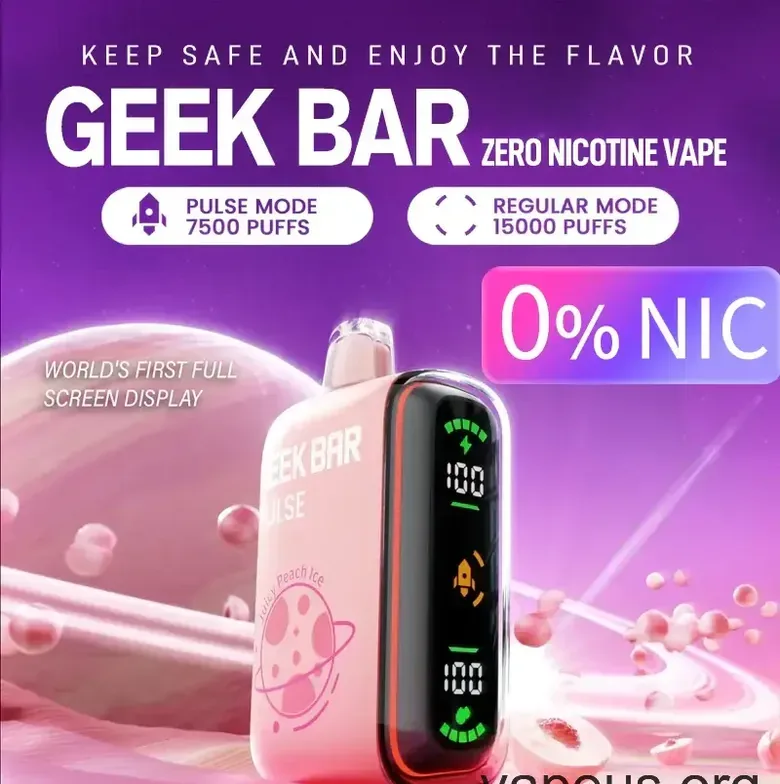
If you are comparing specific 0mg hardware, the zero-nicotine lines from Lost Mary and Geek Bar are the clearest examples of flagship devices rebuilt at 0% with everything else unchanged.
Can You Make a Vape Less Nicotine? The Dilution Myth
Search data shows a steady stream of people asking how to make a vape less nicotine, usually hoping to weaken a disposable they already own. The short answer: you cannot, and attempts to try are a bad idea on every axis.
A disposable is a sealed unit. The liquid sits in a cotton-saturated reservoir that is not designed to be opened, and prying a device apart risks puncturing the battery, contaminating the liquid, or wrecking the coil so it burns dry. Even if you got it open cleanly, you would have nothing safe to dilute with; adding water ruins the viscosity the wick depends on, and adding unflavored base liquid requires knowing the exact ratio to hit a target strength, which turns a two-dollar question into a home chemistry project with no quality control.
The workable version of the same instinct is refillable hardware. With a pod system and bottled e-liquid you can genuinely blend strengths, mixing a 3mg bottle with a 0mg bottle of the same flavor to land anywhere between. That is the one legitimate way to occupy the ladder rungs nobody manufactures. For everyone using disposables, less nicotine means a different purchase, not a modification.
The bottom rung: flagship devices at 0mg
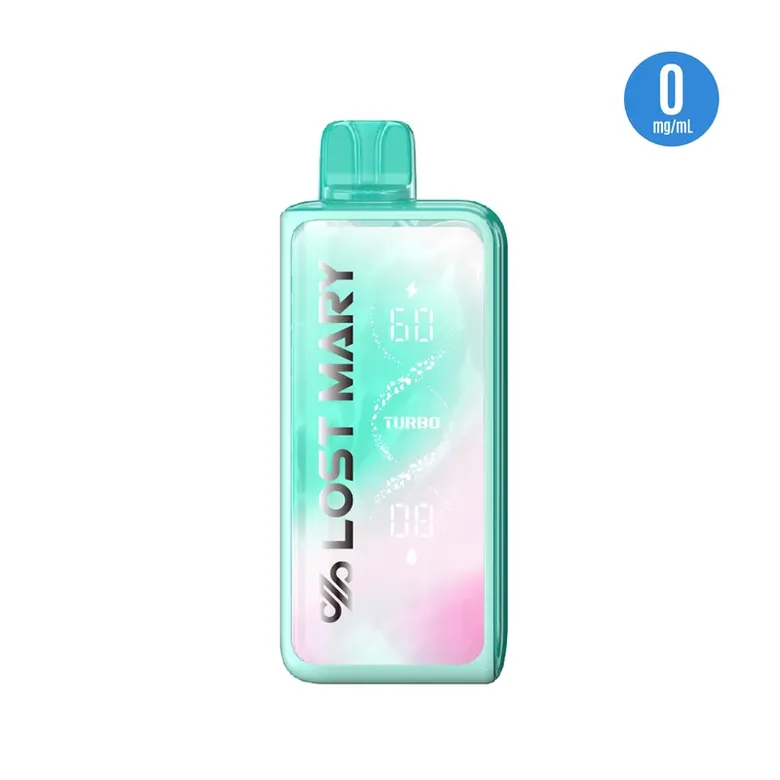
Lost Mary
Lost Mary MT35000 Turbo Zero Nicotine
- 35,000 puffs
- 0mg (0%)
- 20mL
In stock: Baja Splash Blue Razz Ice Watermelon+
$23.99 View & buy
The 0mg Endpoint: What Actually Changes
Reaching zero changes less than newcomers expect in some ways and more in others. The vapor volume, the flavor intensity, and the device behavior are identical, since nicotine contributes almost nothing to any of those. What disappears is the throat hit sharpness, the mild head buzz, and, over the following weeks, the background pull toward the device.
That last change is the significant one. At 0mg the compound driving dependence is gone, so the puff count becomes a pure habit rather than a dose schedule. Some people find their usage drifts down on its own once nothing chemical reinforces it. Others keep vaping zero for the flavor and the ritual indefinitely, the same way plenty of people stay on decaf coffee for years. Both patterns are common, and we cover what zero-strength vaping is and is not in depth in our guide to what a zero nicotine vape is.
One expectation to set: zero nicotine does not mean zero everything. The aerosol still contains propylene glycol, vegetable glycerin, and flavoring, and inhaling those is not equivalent to inhaling air. It is the bottom of the nicotine ladder, not an exit from inhalation altogether.
Low vs zero nicotine FAQ
How do you make a vape less nicotine?
You cannot dilute a sealed disposable; opening one risks battery damage and ruins the liquid. The realistic method is stepping down through lower-strength versions of the device, 50mg to 20mg to 5mg to 3mg to 0mg, or blending bottled strengths in a refillable pod system.
What is the lowest nicotine vape available?
Among products containing nicotine, 2% (20mg/mL) is the lowest common disposable strength and 3mg/mL is the traditional floor for bottled freebase liquid. Below that, the market jumps straight to 0mg nicotine-free devices, which are the true bottom of the ladder.
Is there a 1% or 1mg nicotine vape?
Almost none exist as disposables. A handful of bottled e-liquid lines sell 1mg or 1.5mg strengths for refillable devices, but no mainstream disposable brand manufactures at that level. People wanting a rung below 3mg usually alternate a 3mg device with a 0mg device instead.
What does 5% nicotine mean in mg?
Multiply the percent by ten: 5% equals 50mg/mL, 2% equals 20mg/mL, and 0.5% equals 5mg/mL. A 0% label means the liquid was mixed with no nicotine at all rather than having nicotine removed later.
Does a zero nicotine vape feel different from a low nicotine vape?
The vapor and flavor are the same, but 0mg drops the throat hit sharpness and the head rush entirely. A 3mg or 5mg device still delivers a mild dose your brain registers; a 0mg device delivers flavor and ritual with nothing reinforcing the habit chemically.
Why is it hard to find low nicotine disposables in stores?
Retail shelf space follows turnover, and 5% salt devices dominate sales, so gas stations and most vape shops rarely stock 2% or lower. The reduced and zero strength versions of mainstream devices mostly sell through online retailers that focus on that segment.